How to Build a Household Cash-Flow System in India
A simple way to track money in, money out, and buffers so salary, EMIs, and festival months stop surprising you.
By FinanceBlogg Editorial Team
Published 4 min read
Editorially reviewed by FinanceBlogg Editorial Team on . How we review articles
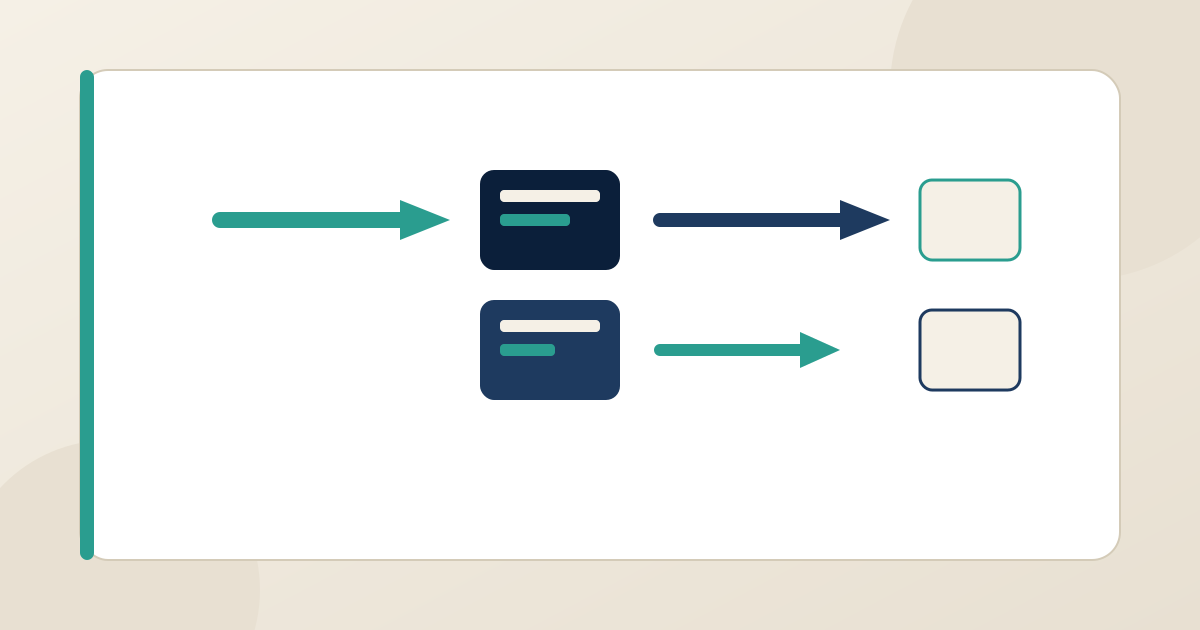
A household cash-flow system is a repeatable way to see money coming in, money going out, and what is left before the next salary credit. It is broader than a one-page budget: it covers timing (when EMIs leave), irregular costs (school fees, festivals, insurance renewals), and a small buffer so one late reimbursement does not force a credit-card spiral.
This guide is educational. It does not recommend any bank, app, or investment product.
Cash flow vs budget vs net worth
A budget plans categories for the month ahead. Cash flow tracks whether cash actually arrived and left when you expected. Net worth is assets minus liabilities at a point in time—see how to track net worth.
You need all three ideas over a year, but cash flow is the day-to-day survival tool: if salary hits on the 1st and rent auto-debits on the 28th of the previous month, the calendar matters as much as the totals.
Step 1: List every inflow
Write down what typically enters the household:
- Salary / pension / business drawings (net of known deductions you already understand from CTC vs take-home)
- Rent from property, if any
- Family support received
- Interest credited to savings (small, but real)
- Irregular inflows: bonus, tax refund, gift
Note the usual date for each. Cash-flow problems often start when people plan as if everything arrives on day one.
Step 2: Map outflows by date, not only by category
Group outflows into:
- Fixed dated obligations — EMIs, rent, school fees, insurance premiums, SIP mandates (if you treat them as non-negotiable for now)
- Variable essentials — groceries, utilities, local transport, medicines
- Discretionary — dining out, subscriptions, shopping
- Annual / seasonal — Diwali, weddings, property tax, vehicle insurance
If you already use a monthly budget, reuse those categories; add a calendar column so you see clashes (two big debits in the same week).
Step 3: Choose simple “buckets”
You do not need many accounts. Many households use a mental or labelled split:
- Bills account / earmark — fixed obligations for the next 30 days
- Spend account / earmark — variable and discretionary
- Buffer / sinking funds — known future costs (festivals, insurance)
- Emergency reserve — separate from monthly spend
The names matter less than the rule: money meant for next month’s EMI is not “available” for weekend shopping.
Step 4: Build a one-page monthly ritual
Once a month (or every quarter if you prefer a deeper pass—see quarterly money review):
- Export or screenshot recent bank and UPI history; reading a bank statement helps.
- Tick every planned inflow and outflow that actually happened.
- Note surprises (medical, travel, repair).
- Adjust next month’s buffer or cut discretionary items—not by guilt, by arithmetic.
- Confirm EMI and SIP mandates still match your cash calendar.
Common India-specific frictions
- Family obligations that are social but not on the budget sheet
- Cash spending that never hits the statement
- Joint households where one person’s inflow supports several people’s outflows
- Credit-card float that hides a cash-flow gap until the billing date
If credit is filling a recurring gap, treat that as a system failure to fix—not as free cash. Understanding how credit scores work is useful context, but the first fix is matching spend to actual inflow timing.
What a good system feels like
You can answer, without opening five apps: Will next week’s EMI clear? Is festival spend already set aside? Did last month’s “surplus” actually stay in the household, or was it spent invisibly?
A cash-flow system will not make income appear. It makes silence (the dangerous kind) disappear.
Related reading
Sources and further reading
We link to official and primary sources wherever possible. Rules and rates change, so check the latest version on the source website.
- Financial Education — Reserve Bank of India
- National Centre for Financial Education — NCFE
- How to create a monthly budget in India (FinanceBlogg) — FinanceBlogg
About the author
FinanceBlogg Editorial Team
Editorial Team
The FinanceBlogg editorial team researches and writes educational explainers on personal finance in India. Articles are based on official sources such as the Reserve Bank of India, SEBI, IRDAI and the Income Tax Department, and are updated when rules change.
View profile and articlesSpotted an error? Read our corrections policy and tell us.
Related articles

How to Do a Quarterly Money Review in India
Learn how to run a quarterly personal finance review in India: cash flow, emergency fund, EMIs, goals and paperwork—educational steps, not product tips.
· 4 min read

How to Create a Monthly Budget in India
A practical, step-by-step guide to building a monthly budget in India, with a worked example, sinking funds for annual expenses and the limits of popular budgeting rules.
· 7 min read

How to Track Your Net Worth in India: A Simple Beginner Guide
Learn how to calculate and track net worth in India: assets, liabilities, a simple worksheet method, and common mistakes beginners make.
· 3 min read