Investment Education
Risk vs Return in Investing: What Beginners in India Should Know
Understand investment risk and return, learn how inflation and volatility affect your money, and discover how to assess investment choices in India.
· 4 min read
Loading search…
Understand investment risk and return, learn how inflation and volatility affect your money, and discover how to assess investment choices in India.
· 4 min read
What diversification means for beginners: spreading risk across assets, issuers and time, why similar funds do not diversify, and what diversification cannot do.
· 5 min read
Rupee cost averaging explained for beginners in India: how regular investments interact with market prices, with clear limits and no return promises.
· 2 min read
What asset allocation means for beginners in India, how it differs from diversification, and how time horizon shapes the mix.
· 5 min read
Learn how to choose a mutual fund in India by comparing goals, risk, costs, benchmarks, portfolio overlap and exit loads before investing.
· 7 min read
Learn how a Systematic Withdrawal Plan (SWP) works in India, how mutual fund units are redeemed, its benefits, risks, taxation and how to start one.
· 11 min read
Learn what drawdown means in investing, how to calculate maximum drawdown,why losses need bigger recoveries, &how Indian investors can understand portfolio risk
· 7 min read
Learn how to evaluate an investment in India with 7 essential checks covering risk, returns, fees, liquidity, diversification and fraud prevention
· 8 min read
Learn 9 important things to check before taking a loan in India, from total borrowing costs and EMIs to fees, penalties and repayment risks
· 8 min read
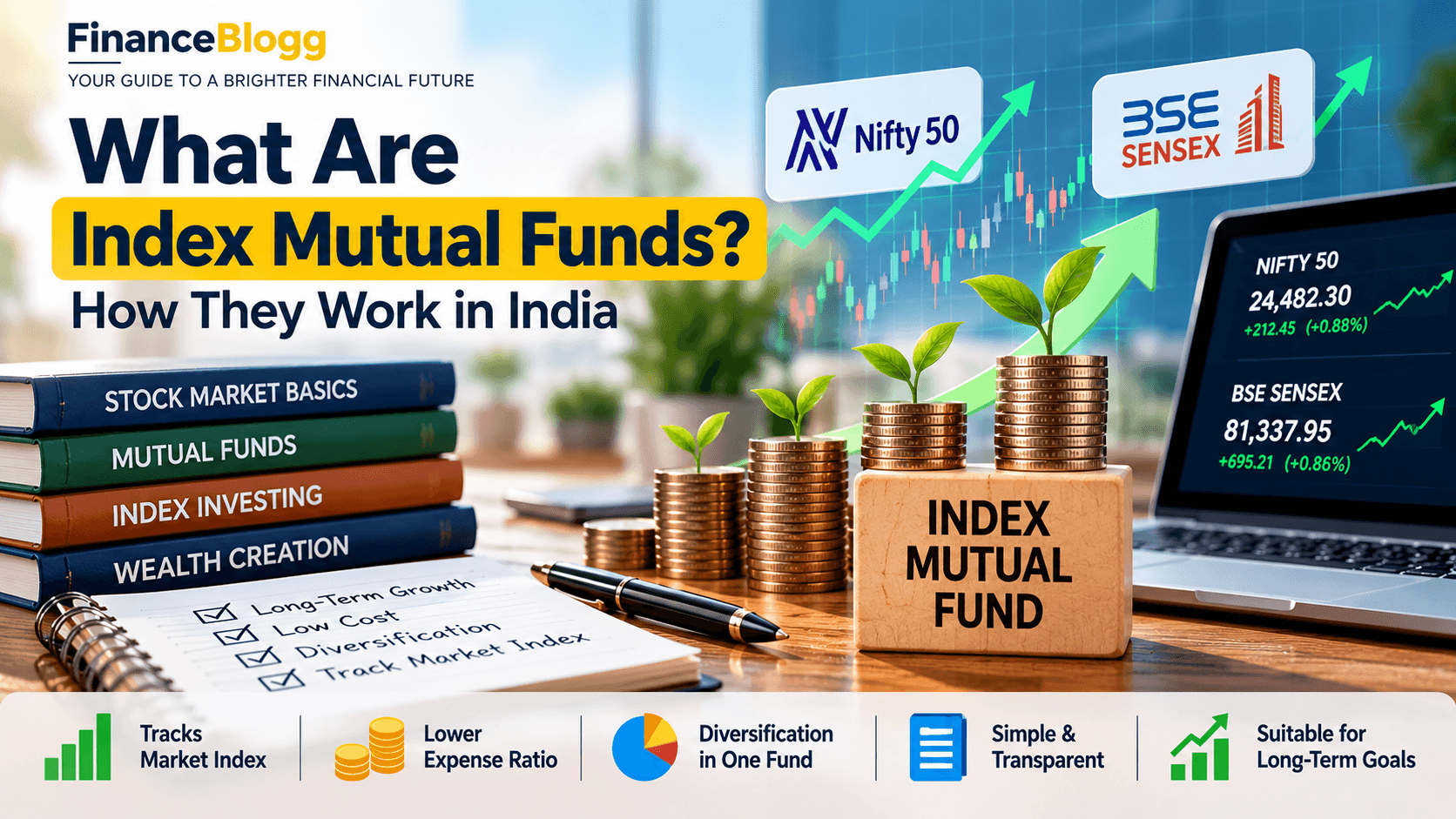
Learn what index mutual funds are, how they track market indices, their costs and risks, and what Indian investors should check before investing.
· 4 min read
How to read a mutual fund factsheet in India: NAV, TER, portfolio, riskometer, exit load and what the numbers do not tell you.
· 5 min read
A beginner's guide to mutual funds and SIPs in India: NAV, fund categories, direct vs regular plans, costs, risks, rupee cost averaging and tax.
· 8 min read
Learn what an investment benchmark is, how Nifty 50 and Sensex benchmarks work, and why TRI matters when comparing investment returns in India.
· 8 min read
Learn what sinking funds are and how to save for school fees, insurance, festivals and annual expenses in India with a simple monthly plan
· 9 min read
Understand the difference between co-applicant, co-borrower and guarantor in India. Learn their responsibilities, loan liability and credit score impact.
· 9 min read
Understand the difference between a bank account lien, freeze and debit freeze in India. Learn why banks restrict accounts, how to check the reason.
· 10 min read
Learn how to prioritise multiple financial goals on one salary in India with a practical savings framework, examples and simple steps.
· 9 min read
Learn how personal accident insurance works in India, including accidental death, disability benefits, exclusions, claim documents and policy checks.
· 11 min read
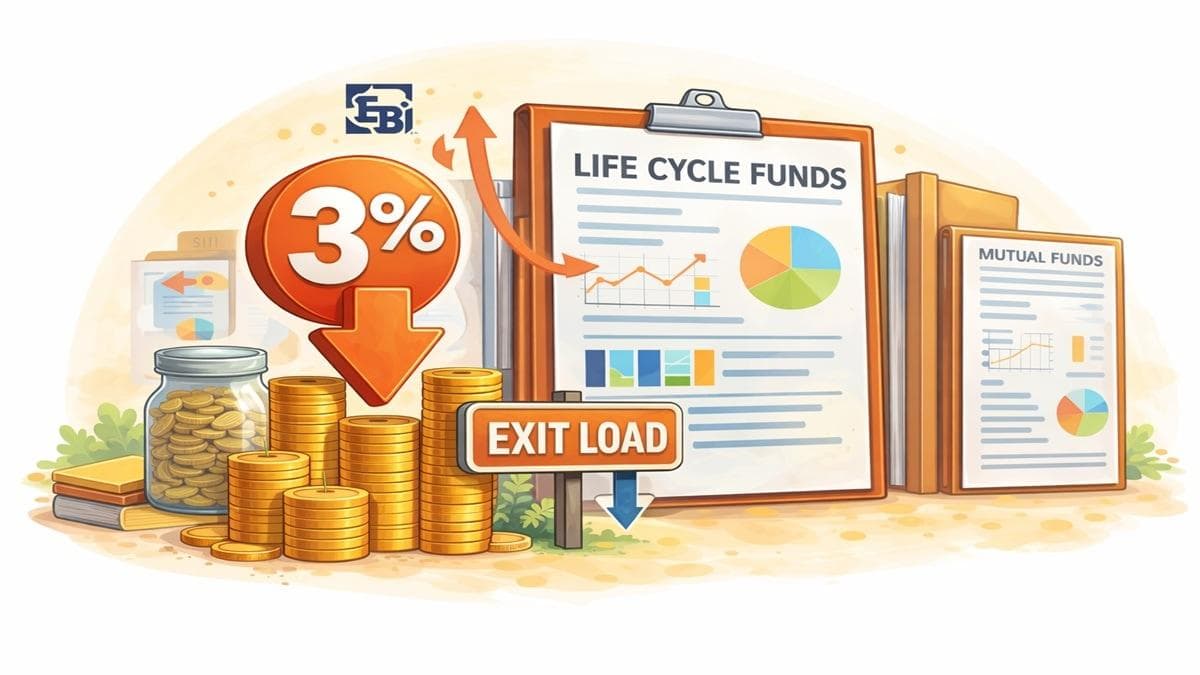
Understand mutual fund exit load, lock-in periods and redemption in India. Learn withdrawal rules, charges, ELSS restrictions and practical examples.
· 9 min read
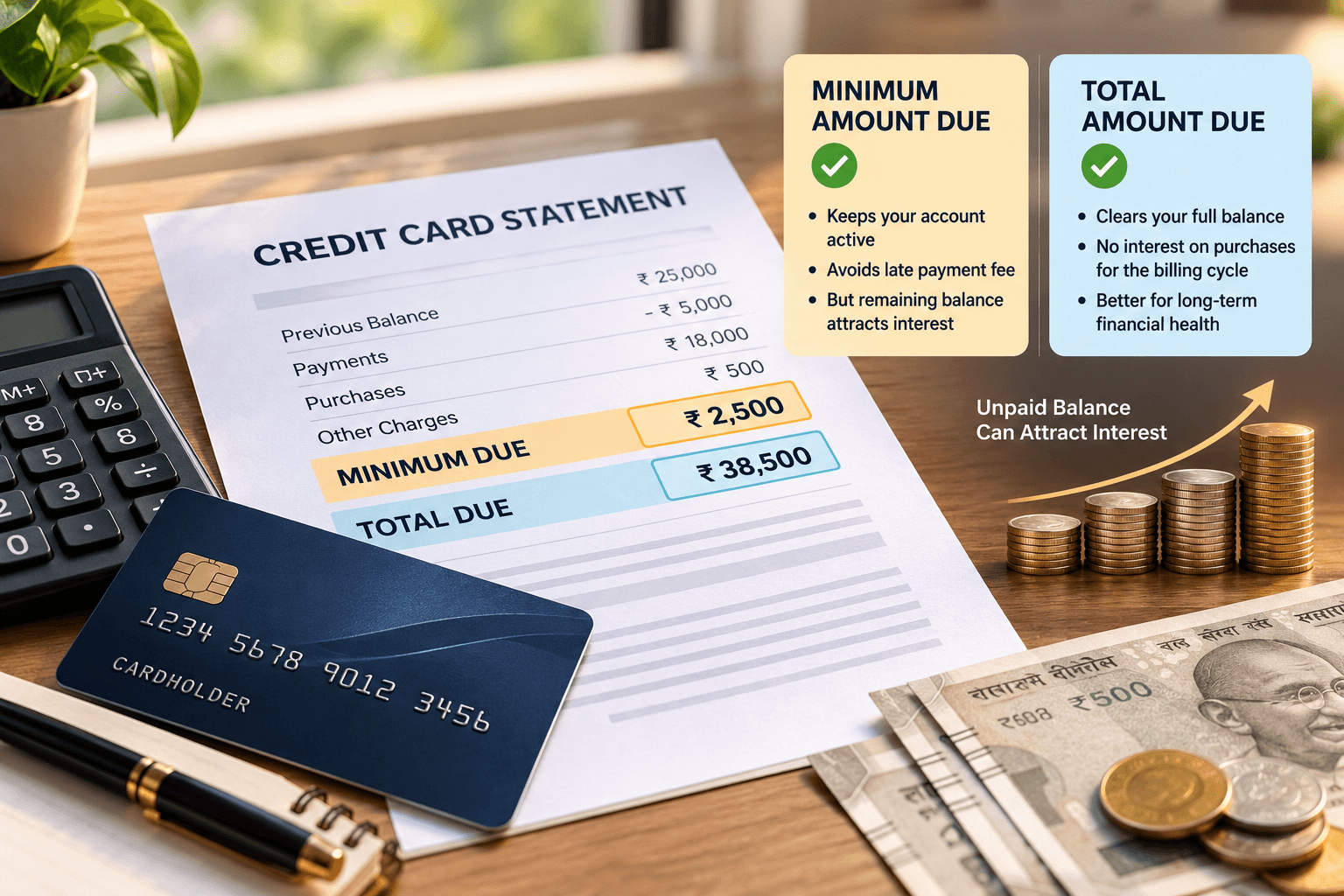
Learn the difference between minimum amount due and total amount due on credit cards in India, including interest, late fees and repayment tips.
· 9 min read
Learn how to build an emergency fund in India, calculate your savings target, choose where to keep it and protect yourself from unexpected expenses.
· 8 min read
Learn how to save money on an irregular income in India with a flexible budget, priority-based spending, emergency savings and a simple monthly plan.
· 9 min read
Learn how to read an insurance policy in India. Understand coverage, exclusions, waiting periods, deductibles, claim rules and key terms before buying.
· 9 min read
How retail investors can read SEBI mutual fund circulars: where to find them, what usually changes for investors, and how to ignore rumour-driven tips.
· 4 min read
Understand deductible, co-pay and co-insurance in Indian health insurance: what you pay, what the insurer pays, and what to check in the policy wording.
· 3 min read
Learn what a mutual fund expense ratio (TER) is in India, how it affects investors, where to read it, and common myths—without product tips.
· 2 min read
How direct and regular mutual fund plans differ, why expense ratios compound, how to check which plan you hold, and what a regular plan’s commission pays for.
· 6 min read
What loan prepayment and foreclosure mean in India, how extra payments change interest, typical charges, and what to check in your sanction letter.
· 6 min read
How a recurring deposit works in India, how interest is applied, how RDs differ from FDs and SIPs, and what to check on tenure, TDS and premature closure.
· 6 min read
How term life insurance works in India: what it pays, exclusions, sum assured and tenure, medical underwriting, nominees, and how a claim is filed.
· 6 min read
How the Public Provident Fund works in India: tenure, yearly limit, interest, withdrawals, tax treatment and who it suits.
· 5 min read
How to read an RBI monetary policy statement: repo rate, stance, CPI target, what changes in EMIs and deposits, and how to ignore noise around the announcement.
· 6 min read
How DICGC deposit insurance works in India: the ₹5 lakh limit, what is covered, what is not, and how accounts are counted across branches.
· 5 min read
Twelve common money mistakes in India, from skipping an emergency fund to paying only the credit card minimum, and practical ways to avoid each one.
· 6 min read
How to size an emergency fund for your household in India, why three to six months is only a starting point, and where to keep the money safely.
· 6 min read
How credit scores work in India: the four credit bureaus, what affects your score, free annual reports, common myths and how to dispute errors.
· 7 min read
How inflation is measured in India, the difference between nominal and real returns, the effect of tax, and how time horizon shapes your savings.
· 5 min read
How savings accounts and fixed deposits differ on interest, liquidity, premature withdrawal, tax and DICGC deposit insurance, with a worked example and when to use each.
· 7 min read