Investment Education
What Is Risk Tolerance for Beginner Investors?
Risk tolerance for beginner investors explained: capacity vs comfort, time horizon, and how it links to asset allocation—educational only.
· 3 min read
Loading search…
Risk tolerance for beginner investors explained: capacity vs comfort, time horizon, and how it links to asset allocation—educational only.
· 3 min read
Compounding in investing explained for beginners in India: how growth can build on itself, illustrative maths, limits, and myths—without return promises.
· 3 min read
Understand investment risk and return, learn how inflation and volatility affect your money, and discover how to assess investment choices in India.
· 4 min read
Rupee cost averaging explained for beginners in India: how regular investments interact with market prices, with clear limits and no return promises.
· 2 min read
What asset allocation means for beginners in India, how it differs from diversification, and how time horizon shapes the mix.
· 5 min read
What diversification means for beginners: spreading risk across assets, issuers and time, why similar funds do not diversify, and what diversification cannot do.
· 5 min read
A beginner's guide to mutual funds and SIPs in India: NAV, fund categories, direct vs regular plans, costs, risks, rupee cost averaging and tax.
· 8 min read
Learn how to choose a mutual fund in India by comparing goals, risk, costs, benchmarks, portfolio overlap and exit loads before investing.
· 7 min read
Learn what drawdown means in investing, how to calculate maximum drawdown,why losses need bigger recoveries, &how Indian investors can understand portfolio risk
· 7 min read
Learn how to calculate and track net worth in India: assets, liabilities, a simple worksheet method, and common mistakes beginners make.
· 3 min read
Learn how to evaluate an investment in India with 7 essential checks covering risk, returns, fees, liquidity, diversification and fraud prevention
· 8 min read
Learn how to create a monthly budget in India, manage expenses, save money regularly and build better financial habits with a simple step-by-step guide.
· 4 min read
Learn what a mutual fund expense ratio (TER) is in India, how it affects investors, where to read it, and common myths—without product tips.
· 2 min read
Index funds in India explained: how they track benchmarks, TER and tracking difference basics, and what beginners should verify—educational only.
· 3 min read
Twelve common money mistakes in India, from skipping an emergency fund to paying only the credit card minimum, and practical ways to avoid each one.
· 6 min read
How inflation is measured in India, the difference between nominal and real returns, the effect of tax, and how time horizon shapes your savings.
· 5 min read
Learn what index mutual funds are, how they track market indices, their costs and risks, and what Indian investors should check before investing.
· 4 min read
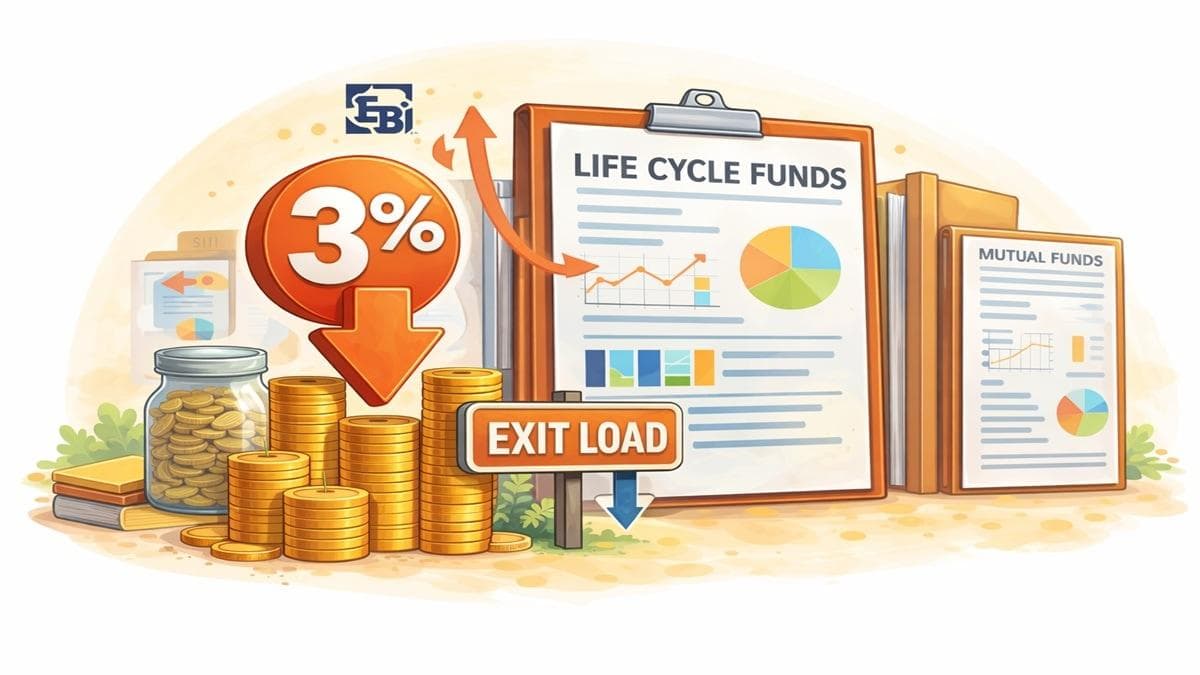
Understand mutual fund exit load, lock-in periods and redemption in India. Learn withdrawal rules, charges, ELSS restrictions and practical examples.
· 9 min read
Learn 15 practical ways to save money on everyday expenses in India. Reduce grocery, electricity, shopping and transportation costs with simple daily habits.
· 12 min read
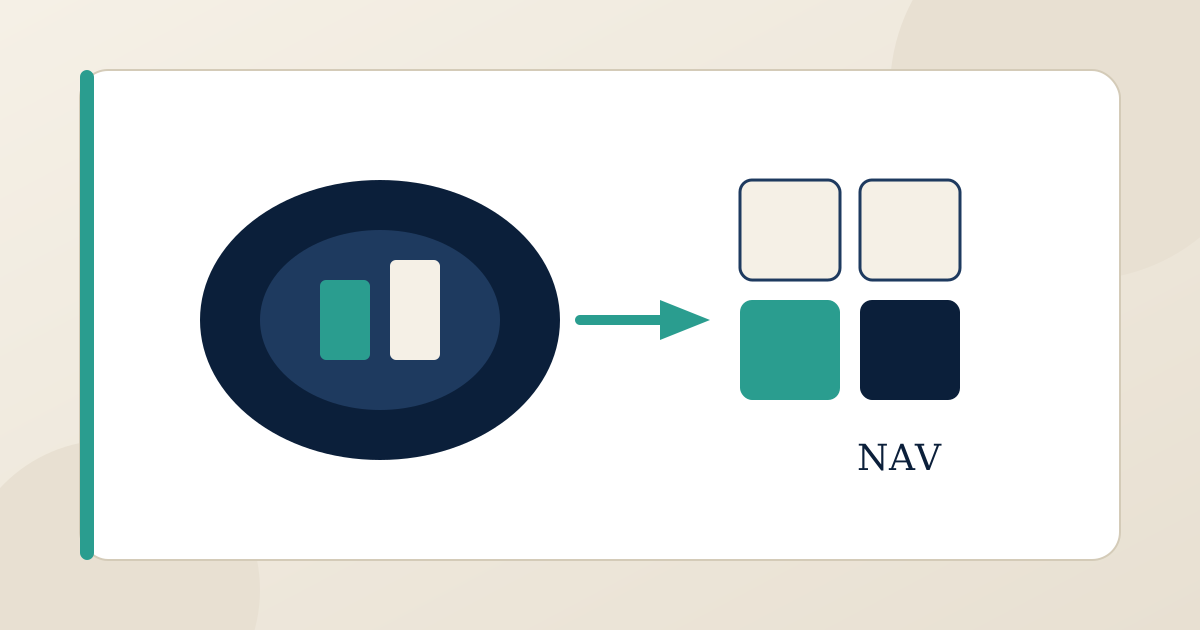
NAV in mutual funds India explained: what Net Asset Value means, how it is used in units, and why a low NAV is not a discount—educational only.
· 4 min read
How retail investors can read SEBI mutual fund circulars: where to find them, what usually changes for investors, and how to ignore rumour-driven tips.
· 4 min read
How direct and regular mutual fund plans differ, why expense ratios compound, how to check which plan you hold, and what a regular plan’s commission pays for.
· 6 min read
How to read a mutual fund factsheet in India: NAV, TER, portfolio, riskometer, exit load and what the numbers do not tell you.
· 5 min read
A practical, step-by-step guide to building a monthly budget in India, with a worked example, sinking funds for annual expenses and the limits of popular budgeting rules.
· 7 min read